Your egg cooker, a compact kitchen hero often relegated to breakfast duty, holds a secret superpower: its ability to perfectly steam delicate seafood like shrimp. Many home cooks are unaware of this versatile appliance’s full potential, sticking to its primary function while missing out on quick, healthy, and incredibly easy meal prep. If you’re looking to expand your culinary horizons beyond boiled eggs, get ready to unlock a whole new world of effortless steaming, starting with succulent shrimp.
Unlocking the Versatility of Your Egg Cooker
An egg cooker is an appliance designed primarily for cooking eggs through a steaming process. However, its ingenious design—a heating plate that boils a small amount of water to create steam within a confined space—makes it an ideal mini-steamer for a variety of other foods. The benefits of using your egg cooker for steaming extend far beyond mere convenience. It offers a healthier cooking method that preserves nutrients and natural flavors without the need for added oils. Plus, it’s incredibly fast, making it perfect for busy weeknights or when you need a quick protein boost. This unassuming kitchen gadget can effortlessly steam not only vegetables and fish fillets but also small portions of other seafood, and even dumplings, transforming into a true multi-functional kitchen helper.
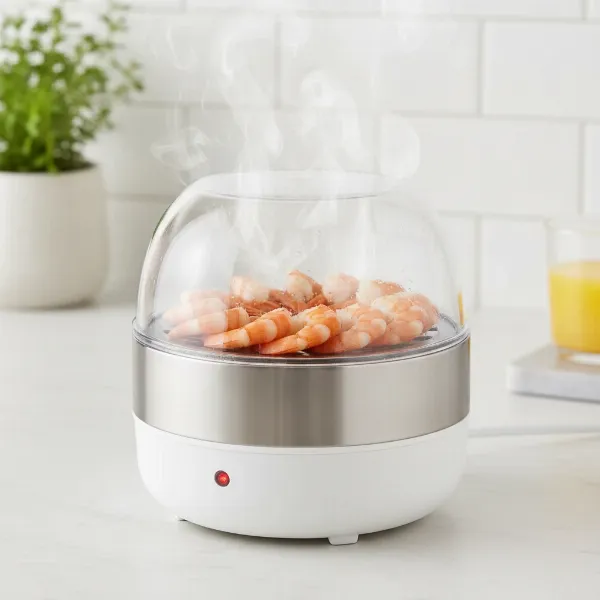 A compact egg cooker steaming succulent shrimp, showcasing its versatile cooking ability.
Preparing Your Shrimp for Steaming Success
Achieving perfectly steamed shrimp begins with proper preparation. Whether you choose fresh or frozen shrimp, a few simple steps ensure the best results.
Choosing Your Shrimp:
For steaming, medium to large shrimp (around 16/20 count) work best, offering a good balance of size and tenderness. You can use fresh shrimp from the seafood counter or good quality frozen shrimp. If using frozen, make sure to thaw them completely before steaming. This ensures even cooking and prevents a watery result.
Preparation Steps:
- Peel and Devein: Most shrimp come peeled and deveined, but if yours don’t, this is a crucial step. Remove the shell, starting from the head and working your way down to the tail. You can leave the tail on for presentation if desired. To devein, make a shallow cut along the back of the shrimp and remove the dark intestinal tract.
- Rinse: Give the shrimp a quick rinse under cold water after peeling and deveining to ensure they are clean. Pat them dry thoroughly with paper towels. Excess moisture can dilute flavors and affect steaming.
- Seasoning: Steamed shrimp truly shines with simple seasonings that enhance its natural sweetness. A sprinkle of salt and freshly ground black pepper is often all you need.
- Classic Enhancements: Consider a dash of garlic powder, a squeeze of fresh lemon juice, or a pinch of your favorite dried herbs like dill or parsley.
- Bold Flavors: For an Asian-inspired twist, a light drizzle of soy sauce or a sprinkle of Old Bay seasoning can elevate the taste profile significantly.
Step-by-Step Guide: Steaming Shrimp in Your Egg Cooker
Steaming shrimp in your egg cooker is remarkably straightforward. Here’s how to do it in just a few simple steps.
What You’ll Need
- Your electric egg cooker
- Shrimp (peeled, deveined, and patted dry)
- Water (usually tap water is fine)
- Your favorite seasonings (salt, pepper, garlic powder, lemon, etc.)
- A small bowl or heat-safe plate that fits inside your egg cooker’s steaming tray (optional, if you want to catch juices or steam with other ingredients).
|
Our Picks for the Best Egg cooker in 2026
As an Amazon Associate I earn from qualifying purchases.
|
||
| Num | Product | Action |
|---|---|---|
| 1 | Evoloop Rapid Egg Cooker Electric 6 Eggs Capacity, Soft, Medium, Hard Boiled, Poacher, Omelet Maker Egg Poacher With Auto Shut-Off, BPA Free |

|
| 2 | DASH Rapid Egg Cooker: 7 Egg Capacity Electric Egg Cooker for Hard Boiled Eggs, Poached Eggs, Scrambled Eggs, or Omelets. |
|
| 3 | DASH Electric Rapid Egg Cooker for Hard Boiled/Poached/Scrambled Eggs or Omelets with Auto Shut-Off Feature, Black, 7 Egg Capacity |
|
| 4 | Elite Gourmet EGC-007## Rapid Egg Cooker, 7 Easy-To-Peel, Hard, Medium, Soft Boiled Eggs, Poacher, Omelet Maker, Auto Shut-Off, Alarm, 16-Recipe Booklet, White |
|
| 5 | Mojoco Rapid Egg Cooker - Mini Egg Cooker for Steamed, Hard Boiled, Soft Boiled Eggs and Onsen Tamago - Electric Egg Boiler for Home Kitchen, Dorm Use - Smart Egg Maker with Auto Shut OFF and Alarm |
|
| 6 | Dash Rapid Egg Cooker - Boiler, Poacher & Steamer - Includes Measuring & Recipe Guide - Dishwasher Safe - Holds 7 Eggs, Aqua |
|
| 7 | Rapid Egg Cooker, 12 Egg Capacity Electric Egg Cooker for Hard Boiled Eggs, Soft, Medium, Poached Eggs, Food & Vegetable Steamer for Breakfast, One-Touch Button, Over-Heat Protect, BPA-Free |
|
| 8 | Elite Gourmet EGC115B Easy Egg Cooker Electric 7-Egg Capacity, Soft, Medium, Hard-Boiled Egg Cooker with Auto Shut-Off, Measuring Cup Included, BPA Free, Classic Black |
|
| 9 | Elite Gourmet EGC115M Easy Egg Cooker Electric 7-Egg Capacity, Soft, Medium, Hard-Boiled Egg Cooker with Auto Shut-Off, Measuring Cup Included, BPA Free, Retro Mint |
|
| 10 | Elite Gourmet EGC322CBL Easy Egg Cooker Electric 7-Egg Capacity, Soft, Medium, Hard-Boiled Egg Cooker with Auto Shut-Off, Measuring Cup Included, BPA Free, Classic Blue |
|
The Simple Steps
- Add Water to the Reservoir: Locate the heating plate at the base of your egg cooker. Most egg cookers come with a measuring cup. Fill the measuring cup with water to the “hard boil” line, or the recommended amount for dense foods. Pour this water directly onto the heating plate. This water will create the steam needed to cook your shrimp.
- Arrange the Shrimp: Place your prepared shrimp in a single layer on the steaming tray or rack that came with your egg cooker. If you have a larger quantity, you might need to steam them in batches to avoid overcrowding, which can lead to uneven cooking. If using a small heat-safe bowl, arrange the shrimp in the bowl and place it on the steaming rack.
- Season the Shrimp: Sprinkle your chosen seasonings over the shrimp. Remember, steaming locks in flavor, so a little goes a long way.
- Assemble and Cover: Carefully place the steaming tray with the shrimp onto the egg cooker base. Secure the lid firmly to ensure steam is properly contained.
- Start the Cooker: Plug in your egg cooker and turn it on. Most models will have a single button or switch.
- Monitor Cooking Time: Shrimp cooks quickly, usually within 3 to 7 minutes, depending on its size and your egg cooker’s power. Keep an eye on the shrimp; they are done when they turn opaque and pink, curling into a “C” shape. Overcooking will make them rubbery.
- Carefully Remove: Once cooked, switch off and unplug the egg cooker. Use tongs or oven mitts to carefully lift the lid (watch out for escaping steam!) and remove the steaming tray or bowl.
Tips for Perfectly Steamed Shrimp Every Time
Achieving restaurant-quality steamed shrimp in your egg cooker is easy with a few expert tips.
- Avoid Overcrowding: For the most even cooking, always arrange your shrimp in a single layer on the steaming tray. Piling them up can result in some shrimp being undercooked while others are overcooked.
- Adjust Cooking Time for Size: Smaller shrimp will cook faster than larger ones. Always err on the side of caution and check for doneness early. You can always steam them for another minute or two if needed.
- Know When They’re Done: Perfectly cooked shrimp will be uniformly pink and opaque throughout, and will curl into a gentle “C” shape. If they form a tight “O,” they are likely overcooked. If they are still translucent and form a “U” shape, they need more time.
- Infuse Extra Flavor: Enhance your shrimp by adding aromatic elements to the steaming water or directly with the shrimp. Try a few slices of lemon, a sprig of fresh dill, or a crushed garlic clove on the steaming tray to infuse subtle flavors into the shrimp as they cook.
- Serve Immediately: Steamed shrimp is best enjoyed fresh off the cooker. Serve it hot with your favorite dipping sauce, alongside a crisp salad, or as part of a stir-fry.
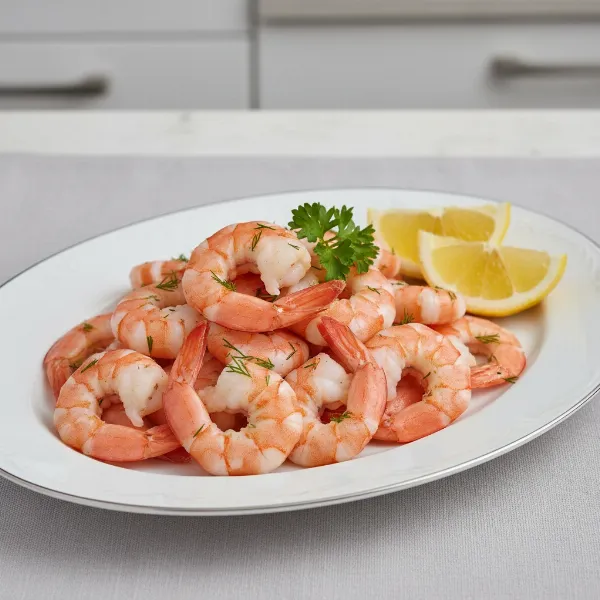 A plate of perfectly steamed, pink shrimp garnished with fresh herbs and lemon wedges.
“Many people think their egg cooker is a one-trick pony, but its simple steaming mechanism is perfect for tender shrimp. It’s a quick, healthy, and truly underrated way to cook seafood.”
Troubleshooting Common Steaming Issues
Even with such a straightforward process, you might encounter a few minor issues. Here’s how to troubleshoot them:
- Shrimp is Too Tough or Rubbery: This is the most common sign of overcooked shrimp. Reduce your cooking time next time. Shrimp cooks very quickly, so even an extra minute can make a difference.
- Shrimp is Mushy: This can also be a result of overcooking, or if too much condensation dripped onto the shrimp during steaming. Ensure your lid is sealed properly and consider placing shrimp in a small, covered heat-safe bowl on the steaming tray if your cooker produces a lot of condensation.
- Shrimp Not Cooking Evenly: The primary culprit here is usually overcrowding the steaming tray. Always ensure shrimp are in a single layer, allowing the steam to circulate freely around each piece.
- Not Enough Steam: If your shrimp aren’t cooking, check that you’ve added the correct amount of water to the reservoir according to your egg cooker’s instructions. A dry heating plate won’t generate steam.
Beyond Shrimp: Other Seafood to Steam in Your Egg Cooker
Once you master steaming shrimp, you’ll realize your egg cooker’s potential for other seafood. It’s an excellent tool for preparing small portions of various marine delights.
- Small Fish Fillets: Delicate fish like tilapia, cod, or sole can be steamed beautifully. Season them lightly and place them on the steaming tray. Cooking times will vary depending on thickness, but generally 5-10 minutes is sufficient until the fish is opaque and flakes easily.
- Scallops: These sweet morsels steam quickly. Arrange them in a single layer and steam for just 2-4 minutes until they are opaque throughout.
- Mussels or Clams: If your egg cooker has a deep enough steaming tray or a compatible bowl, you can steam a small batch of mussels or clams. Place them in the tray with a splash of white wine or garlic, and steam until they open, typically 5-8 minutes. Discard any that do not open.
This method provides a gentle, healthy way to cook a variety of seafood, maintaining their natural moisture and flavor.
In conclusion, your humble egg cooker is a surprisingly powerful and versatile appliance, capable of far more than just boiling eggs. By embracing its steaming capabilities, you can effortlessly create healthy, delicious, and perfectly cooked steamed shrimp and other seafood with minimal fuss. It’s a testament to how simple kitchen tools can transform your cooking experience, making quick, nutritious meals a regular part of your routine. So, go ahead, dust off your egg cooker, and experiment with its steaming potential. What delicious steamed creation will you try next?
Frequently Asked Questions
Can I steam frozen shrimp directly in my egg cooker?
While it’s possible, it’s generally recommended to thaw frozen shrimp completely before steaming. Steaming frozen shrimp can lead to uneven cooking and a watery texture as the ice melts. Thawing ensures a more consistent and flavorful result.
How much water should I add to my egg cooker for steaming shrimp?
Most egg cookers come with a measuring cup with markings for different cooking levels (e.g., soft, medium, hard boiled eggs). For steaming shrimp, use the amount of water recommended for “hard-boiled” eggs, or approximately 1/4 to 1/2 cup, depending on your specific model. This provides enough steam for the quick cooking time required by shrimp.
Can I steam shrimp with vegetables at the same time in my egg cooker?
Yes, you can often steam shrimp with quick-cooking vegetables like thin-sliced bell peppers or spinach. Place the vegetables in the steaming tray first, then arrange the shrimp on top. Ensure not to overcrowd the tray for even cooking. For denser vegetables like broccoli or carrots, it’s best to steam them separately or cut them into very small pieces to match shrimp’s cooking time.
What kind of egg cooker is best for steaming seafood?
Any standard electric egg cooker with a steaming tray will work. Look for models with a clear lid so you can monitor the shrimp’s doneness without lifting the lid and releasing steam. Egg cookers with larger steaming capacities or stackable trays can be more versatile for steaming multiple portions or different ingredients simultaneously.
