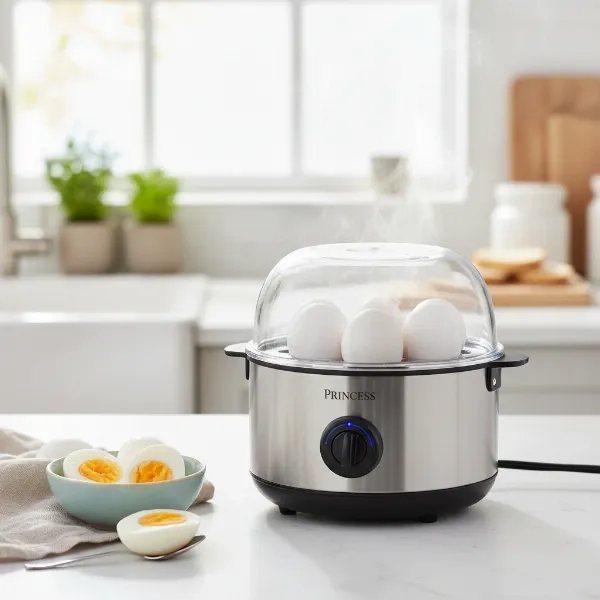
Electric egg cookers have revolutionized how we prepare eggs, offering convenience and consistent results whether you prefer soft-boiled, hard-boiled, poached, or even omelets. They promise perfectly cooked eggs with minimal effort, eliminating the guesswork often associated with traditional stovetop methods. For many, an egg cooker is a kitchen staple, simplifying breakfast and meal prep. However, even with such a straightforward appliance, it’s easy to fall into common traps that can lead to less-than-perfect results, messy cleanup, or even shorten your cooker’s lifespan. This guide will walk you through the most frequent errors and how to avoid them, ensuring every egg comes out just right.
What is an Electric Egg Cooker and Why Do You Need One?
An electric egg cooker is a compact kitchen appliance designed to cook eggs using steam. It typically consists of a heating plate, a cooking rack, a lid, and a measuring cup. You add water to the heating plate, place eggs on the rack, cover, and turn it on. The water turns to steam, cooking the eggs evenly and efficiently.
The primary benefit of an egg cooker over traditional stovetop boiling is precision and convenience. It eliminates the need to watch a pot, prevents overcooking or undercooking, and often offers different settings for various doneness levels. This consistency is difficult to achieve manually, especially for specific textures like runny yolks or perfectly firm whites. Moreover, many models feature automatic shut-off and audible alerts, allowing you to multitask without worrying about your eggs. It’s a game-changer for busy mornings or anyone looking for a foolproof way to prepare eggs.
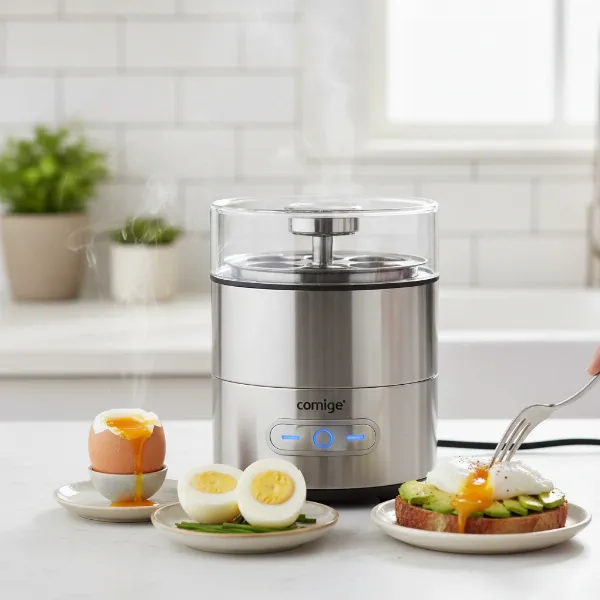 Electric egg cooker with perfectly cooked soft-boiled, hard-boiled, and poached eggs, ready for breakfast.
Common Mistakes to Avoid When Using Your Egg Cooker
Even with its simplicity, some pitfalls can hinder your egg-cooking success. Understanding and avoiding these common errors will elevate your egg game.
Using Too Much or Too Little Water
One of the most frequent mistakes is incorrectly measuring the water. The measuring cup provided with your egg cooker is crucial; it’s calibrated specifically for your model and the desired egg doneness (soft, medium, hard).
- Too Little Water: If you use insufficient water, the cooker will run out of steam before the eggs are fully cooked. This can result in undercooked eggs or the appliance shutting off prematurely, leaving you with an inconsistent texture.
- Too Much Water: Conversely, too much water can lead to overcooked eggs, especially for soft or medium-boiled preferences. It can also cause excess steam and condensation, making the eggs harder to peel or leading to a watery mess.
|
Our Picks for the Best Egg cooker in 2026
As an Amazon Associate I earn from qualifying purchases.
|
||
| Num | Product | Action |
|---|---|---|
| 1 | DASH Electric Rapid Egg Cooker for Hard Boiled/Poached/Scrambled Eggs or Omelets with Auto Shut-Off Feature, Black, 7 Egg Capacity |

|
| 2 | Elite Gourmet EGC322CBL Easy Egg Cooker Electric 7-Egg Capacity, Soft, Medium, Hard-Boiled Egg Cooker with Auto Shut-Off, Measuring Cup Included, BPA Free, Classic Blue |
|
| 3 | Rapid Egg Cooker, 12 Egg Capacity Electric Egg Cooker for Hard Boiled Eggs, Soft, Medium, Poached Eggs, Food & Vegetable Steamer for Breakfast, One-Touch Button, Over-Heat Protect, BPA-Free |
|
| 4 | Elite Gourmet EGC-007## Rapid Egg Cooker, 7 Easy-To-Peel, Hard, Medium, Soft Boiled Eggs, Poacher, Omelet Maker, Auto Shut-Off, Alarm, 16-Recipe Booklet, White |
|
| 5 | Elite Gourmet EGC115M Easy Egg Cooker Electric 7-Egg Capacity, Soft, Medium, Hard-Boiled Egg Cooker with Auto Shut-Off, Measuring Cup Included, BPA Free, Retro Mint |
|
| 6 | Dash Rapid Egg Cooker - Boiler, Poacher & Steamer - Includes Measuring & Recipe Guide - Dishwasher Safe - Holds 7 Eggs, Aqua |
|
| 7 | DASH Rapid Egg Cooker: 7 Egg Capacity Electric Egg Cooker for Hard Boiled Eggs, Poached Eggs, Scrambled Eggs, or Omelets. |
|
| 8 | Evoloop Rapid Egg Cooker Electric 6 Eggs Capacity, Soft, Medium, Hard Boiled, Poacher, Omelet Maker Egg Poacher With Auto Shut-Off, BPA Free |
|
| 9 | Elite Gourmet EGC115B Easy Egg Cooker Electric 7-Egg Capacity, Soft, Medium, Hard-Boiled Egg Cooker with Auto Shut-Off, Measuring Cup Included, BPA Free, Classic Black |
|
| 10 | Mojoco Rapid Egg Cooker - Mini Egg Cooker for Steamed, Hard Boiled, Soft Boiled Eggs and Onsen Tamago - Electric Egg Boiler for Home Kitchen, Dorm Use - Smart Egg Maker with Auto Shut OFF and Alarm |
|
Always use the included measuring cup and follow the marks for your desired doneness. If your cup is lost, consult the user manual for precise water measurements.
Not Piercing the Eggs (If Your Model Requires It)
Many electric egg cookers, especially older models or specific designs, come with a small pin on the bottom of the measuring cup or a separate piercing tool. This is not for decoration; it’s to prevent eggs from cracking during cooking.
- Why Pierce? Eggs have a small air pocket at their larger end. As an egg heats up, the air inside expands. If this pressure builds up too much, it can cause the shell to crack and sometimes even explode. Piercing a tiny hole in the larger end allows this air to escape safely, resulting in fewer cracked shells and easier peeling.
Always check your specific egg cooker’s instructions. If it advises piercing, make sure to do so gently to avoid breaking the membrane underneath the shell, which can cause egg white to leak out.
Overfilling the Egg Cooker
While it might be tempting to cook a dozen eggs at once, most egg cookers have a maximum capacity for a reason. Overfilling the cooking rack can lead to uneven cooking.
- Uneven Heat Distribution: When too many eggs are crammed into the cooker, steam cannot circulate properly around each egg. This can result in some eggs being perfectly cooked while others are undercooked or overcooked, depending on their position.
- Cracking Risk: Overcrowding can also increase the chances of eggs bumping into each other or the lid, leading to cracks during the steaming process.
Stick to the manufacturer’s recommended capacity. If you need to cook a large batch, do it in multiple rounds. The cooker is fast enough that this shouldn’t add significant time.
Not Cleaning the Heating Plate Properly
The heating plate can accumulate mineral deposits from water over time, especially if you use hard water. These deposits look like white or brown stains.
- Impact on Performance: Mineral buildup can affect the heating element’s efficiency, leading to longer cooking times or uneven heating. In severe cases, it might even trigger the cooker’s safety features, causing it to shut off prematurely.
- Hygiene and Longevity: Regular cleaning not only maintains performance but also extends the life of your appliance and ensures hygienic operation.
After each use, let the heating plate cool completely. Then, wipe it down with a damp cloth. For mineral deposits, a common method is to add a small amount of white vinegar to the heating plate, let it sit for 5-10 minutes, and then gently scrub with a non-abrasive sponge. Rinse thoroughly before the next use.
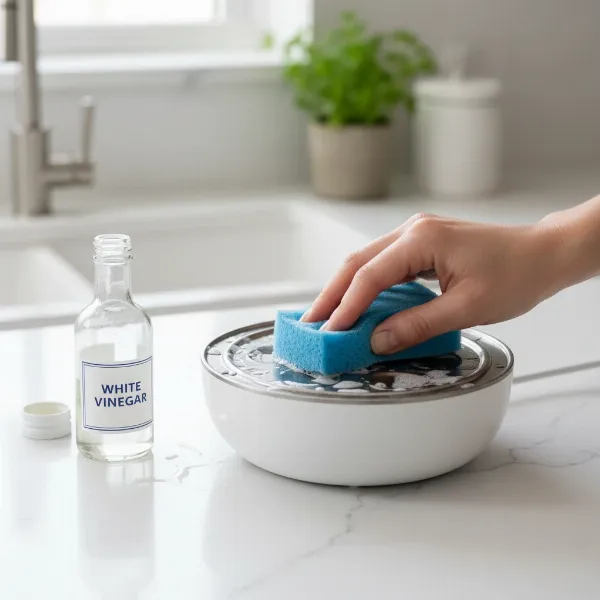 Hand cleaning an electric egg cooker's heating plate with white vinegar and a sponge to remove mineral deposits.
Opening the Lid During Cooking
The magic of an egg cooker lies in its ability to create a consistent steam environment. Lifting the lid mid-cycle disrupts this environment.
- Temperature Drop: Opening the lid releases the built-up steam and heat, causing a significant drop in temperature. This prolongs the cooking time and can lead to unevenly cooked eggs.
- Safety Hazard: Steam is hot and can cause burns if you’re not careful. It’s best to keep the lid closed until the cooking cycle is complete and the cooker has signaled.
Resist the urge to peek! Trust your egg cooker to do its job. Wait for the appliance to signal completion or automatically shut off before removing the lid.
Not Adjusting for Egg Size and Temperature
While egg cookers are designed for consistency, slight variations in egg size and initial temperature can affect the final outcome.
- Egg Size: Larger eggs (jumbo or extra-large) may require a tiny bit more water or a slightly longer cooking time to reach the same doneness as medium or large eggs.
- Egg Temperature: Eggs straight from the refrigerator are colder than room-temperature eggs. This difference can influence how quickly they heat up and cook. While most cookers account for refrigerated eggs, if you’re consistently getting undercooked results with very cold eggs, try letting them sit out for 10-15 minutes or add a touch more water to the measuring cup.
Experiment slightly with water levels or cooking times if you notice consistent discrepancies with certain egg sizes or temperatures.
Troubleshooting Common Egg Cooker Issues
Sometimes, despite your best efforts, an issue might arise. Here are quick fixes for common problems:
- Eggs Cracking: Ensure you’re piercing the eggs if your model requires it. Also, avoid thermal shock by not placing very cold eggs directly into a super-hot cooker (though most cookers are designed to handle this).
- Eggs Difficult to Peel: This is often related to the freshness of the egg (fresher eggs are harder to peel) or rapid cooling after cooking. Immediately transfer cooked eggs to an ice bath for 5-10 minutes. This stops the cooking process and helps the membrane separate from the egg white, making peeling much easier.
- Water Not Evaporating/Cooker Not Shutting Off: This usually indicates too much water, a faulty heating element, or a broken timer/sensor. Ensure you’re using the correct water measurement. If the problem persists, consult your manual for troubleshooting or contact customer support.
- Burn Marks on Heating Plate: These are likely mineral deposits. Follow the vinegar cleaning method described earlier. Regular cleaning prevents these from becoming stubborn.
Expert Insight on Perfect Peeling
“The secret to perfectly peelable hard-boiled eggs from an electric cooker isn’t just in the cooking, but critically in the immediate aftermath. Shocking the eggs in an ice bath right after they’re done cooking creates a rapid temperature change that helps the egg membrane detach cleanly from the white. This simple step can save you so much frustration.” – Chef Marie Dubois, Culinary Consultant and Egg Enthusiast
Conclusion
Electric egg cookers are fantastic tools that can simplify meal preparation and consistently deliver perfectly cooked eggs. By avoiding these common mistakes—from incorrect water measurements and neglecting to pierce shells to overcrowding and improper cleaning—you can ensure your appliance performs optimally and yields delicious results every time. Remember to always consult your specific model’s manual, as small variations can exist between brands. With a little attention to detail, your egg cooker will be a reliable ally in the kitchen for years to come.
Are you ready to unlock the full potential of your electric egg cooker and enjoy flawless eggs, effortlessly?
Frequently Asked Questions
Can I use tap water in my electric egg cooker?
Yes, tap water is generally fine. However, if you have hard water, you may notice more mineral deposits on the heating plate. Using distilled or filtered water can help reduce this buildup, but it’s not strictly necessary if you clean the plate regularly.
How do I know when my eggs are done in an egg cooker?
Most electric egg cookers have an automatic shut-off feature and/or an audible alarm that signals when the water has fully evaporated and the cooking cycle is complete. The desired doneness (soft, medium, hard) is determined by the amount of water you add initially, as indicated by your cooker’s measuring cup.
Can I cook poached eggs or omelets in an egg cooker?
Many versatile electric egg cookers come with special trays for poaching or making individual omelets. If your model includes these accessories, simply crack your eggs into the designated cups, add the appropriate amount of water to the heating plate, and follow the instructions in your manual.