The irresistible allure of creamy, tangy deviled eggs is a highlight at any gathering, yet the traditional preparation often comes with a secret dread: the painstaking process of peeling stubborn hard-boiled eggs. You envision perfectly smooth whites, but often end up with ragged, torn halves. What if you could banish that frustration and whip up a batch of deviled eggs with unprecedented speed and effortless elegance?
Enter the world of electric cookers – game-changing kitchen appliances that are revolutionizing how we approach this classic appetizer. From dedicated egg cookers that steam your eggs to perfection to versatile electric pressure cookers that yield remarkably easy-to-peel results, these devices transform a time-consuming chore into a swift and enjoyable culinary experience. This guide will walk you through harnessing the power of these electric marvels, ensuring your deviled eggs are not only delicious but also faster and easier to make than ever before.
What is an Electric Egg Cooker and Why Do You Need One for Deviled Eggs?
An electric egg cooker is a compact countertop appliance designed specifically for cooking eggs using steam. These specialized gadgets, much like a rice cooker, precisely control the cooking environment to deliver consistent results, whether you desire soft-boiled, medium-boiled, or perfectly hard-boiled eggs. Beyond dedicated egg cookers, multi-functional electric pressure cookers, such as the ever-popular Instant Pot, have also proven to be stellar performers for preparing eggs.
The benefits of integrating an electric cooker into your deviled egg routine are manifold, far surpassing traditional stovetop methods:
- Unmatched Speed: While the actual cooking time might be similar or slightly longer than boiling on the stove, electric cookers offer a completely hands-off operation. You simply add water and eggs, set the device, and walk away. This frees up precious time, allowing you to focus on other preparation tasks or simply relax.
- Effortless Peeling: This is arguably the most significant advantage for deviled eggs. Both dedicated egg cookers and electric pressure cookers consistently produce hard-boiled eggs with shells that virtually slide off. The steaming process, especially under pressure, creates a slight gap between the egg white and the membrane, making peeling a breeze and ensuring beautifully intact egg halves for your presentation.
- Consistent Perfection: Say goodbye to green rings around your yolks or undercooked centers. Electric cookers precisely manage temperature and steam, resulting in perfectly cooked whites and vibrant, creamy yolks every single time.
- Ultimate Convenience: No more hovering over a boiling pot or constantly adjusting heat. These appliances automatically shut off or alert you when cooking is complete, preventing overcooking and simplifying your kitchen workflow.
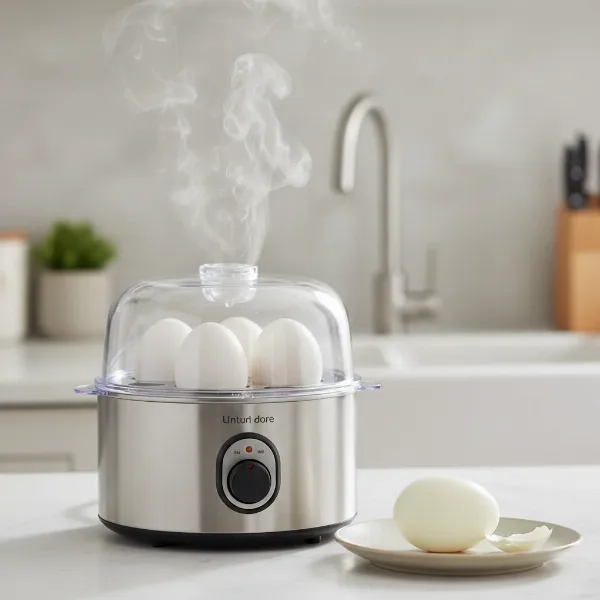 Electric egg cooker with perfectly peeled hard-boiled eggs, highlighting effortless preparation for deviled eggs.
Choose Your Weapon: Types of Electric Egg Cookers for Perfect Hard-Boiled Eggs
The secret to faster, easier deviled eggs lies in choosing the right electric cooker for your needs. While both dedicated egg cookers and electric pressure cookers excel at preparing hard-boiled eggs, they operate differently and offer distinct advantages.
Dedicated Electric Egg Cookers (e.g., Dash, Cuisinart, Nostalgia)
These appliances are specialists, built solely for egg preparation. They typically feature a heating plate, a water measuring cup, and a tray for holding eggs.
- How They Work: Dedicated egg cookers operate by steaming. You add a measured amount of water to the heating plate, place your eggs on the tray, cover with a lid, and turn it on. The water boils, producing steam that cooks the eggs. The amount of water determines the doneness level – less water for soft-boiled, more for hard-boiled. Many models also include poaching or omelet trays, adding to their versatility for breakfast beyond deviled eggs.
- Capacity and Speed: Available in various sizes, from mini versions holding a few eggs to larger models accommodating up to a dozen. Hard-boiled eggs typically cook in 9 to 13 minutes, depending on the model and desired doneness. The Nostalgia Egg Cooker, for instance, can complete hard-boiled eggs in under 13 minutes, showcasing impressive speed for a dedicated appliance.
- Key Features: Most come with automatic shut-off and audible alerts, so you know exactly when your eggs are ready. Clear lids allow you to watch the magic happen, and some offer dishwasher-safe parts for easy cleanup. While some include a piercing tool to prevent cracking, many experts advise against using it as it can lead to egg whites leaking.
|
Our Picks for the Best Egg cooker in 2026
As an Amazon Associate I earn from qualifying purchases.
|
||
| Num | Product | Action |
|---|---|---|
| 1 | Rapid Egg Cooker, 12 Egg Capacity Electric Egg Cooker for Hard Boiled Eggs, Soft, Medium, Poached Eggs, Food & Vegetable Steamer for Breakfast, One-Touch Button, Over-Heat Protect, BPA-Free |

|
| 2 | Elite Gourmet EGC322CBL Easy Egg Cooker Electric 7-Egg Capacity, Soft, Medium, Hard-Boiled Egg Cooker with Auto Shut-Off, Measuring Cup Included, BPA Free, Classic Blue |
|
| 3 | Dash Rapid Egg Cooker - Boiler, Poacher & Steamer - Includes Measuring & Recipe Guide - Dishwasher Safe - Holds 7 Eggs, Aqua |
|
| 4 | Elite Gourmet EGC115B Easy Egg Cooker Electric 7-Egg Capacity, Soft, Medium, Hard-Boiled Egg Cooker with Auto Shut-Off, Measuring Cup Included, BPA Free, Classic Black |
|
| 5 | DASH Rapid Egg Cooker: 7 Egg Capacity Electric Egg Cooker for Hard Boiled Eggs, Poached Eggs, Scrambled Eggs, or Omelets. |
|
| 6 | Elite Gourmet EGC-007## Rapid Egg Cooker, 7 Easy-To-Peel, Hard, Medium, Soft Boiled Eggs, Poacher, Omelet Maker, Auto Shut-Off, Alarm, 16-Recipe Booklet, White |
|
| 7 | Mojoco Rapid Egg Cooker - Mini Egg Cooker for Steamed, Hard Boiled, Soft Boiled Eggs and Onsen Tamago - Electric Egg Boiler for Home Kitchen, Dorm Use - Smart Egg Maker with Auto Shut OFF and Alarm |
|
| 8 | Evoloop Rapid Egg Cooker Electric 6 Eggs Capacity, Soft, Medium, Hard Boiled, Poacher, Omelet Maker Egg Poacher With Auto Shut-Off, BPA Free |
|
| 9 | DASH Electric Rapid Egg Cooker for Hard Boiled/Poached/Scrambled Eggs or Omelets with Auto Shut-Off Feature, Black, 7 Egg Capacity |
|
| 10 | Elite Gourmet EGC115M Easy Egg Cooker Electric 7-Egg Capacity, Soft, Medium, Hard-Boiled Egg Cooker with Auto Shut-Off, Measuring Cup Included, BPA Free, Retro Mint |
|
Electric Pressure Cookers (e.g., Instant Pot)
Electric pressure cookers are multi-functional kitchen workhorses that, among their many talents, happen to be exceptional at making hard-boiled eggs with remarkably easy-to-peel shells.
- How They Work: Pressure cookers cook food under high-pressure steam. For eggs, this environment helps separate the inner membrane from the egg white, making peeling dramatically easier than with stovetop methods. This is particularly beneficial when dealing with very fresh eggs, which are notoriously difficult to peel.
- The “5-5-5” Method: A popular and highly effective technique for perfect hard-boiled eggs in an Instant Pot:
- 5 minutes on High Pressure: Add 1 cup of water to the inner pot and place a trivet or steamer basket. Arrange your eggs in a single layer. Secure the lid and set to High Pressure for 5 minutes.
- 5 minutes Natural Release: Once cooking is complete, allow the pressure to release naturally for 5 minutes. This gentle release helps prevent overcooking and further aids in easy peeling. After 5 minutes, quick-release any remaining pressure.
- 5-10 minutes Ice Bath: Immediately transfer the cooked eggs to an ice bath. This halts the cooking process, preventing the dreaded green ring around the yolk, and is absolutely crucial for easy peeling.
Step-by-Step Guide: Making Deviled Egg-Ready Hard-Boiled Eggs
Achieving perfect, easy-to-peel hard-boiled eggs is the foundation of faster deviled egg preparation. Here’s how to do it with your electric cooker.
Using a Dedicated Electric Egg Cooker
Dedicated egg cookers streamline the process, taking the guesswork out of water measurement and timing.
- Add Water: Use the provided measuring cup to add the appropriate amount of water to the heating plate for hard-boiled eggs. The cup usually has markings for different doneness levels (soft, medium, hard) and the number of eggs.
- Place Eggs: Carefully place your eggs onto the egg tray. While some models include a piercing tool, it’s often unnecessary and can sometimes cause whites to leak. You can skip this step if you prefer.
- Cook: Cover the cooker with its lid and press the power button. The appliance will typically steam the eggs for 9-13 minutes.
- Ice Bath: Once the cooking cycle is complete and the alarm sounds (if equipped), immediately transfer the hot eggs to a bowl filled with ice water. Allow them to cool completely for at least 5-10 minutes. This critical step stops the cooking process and ensures easy peeling.
Using an Electric Pressure Cooker (Instant Pot Method)
The “5-5-5” method is a widely acclaimed technique for consistently perfect, easy-to-peel eggs in an Instant Pot.
- Prepare the Pot: Pour 1 cup of cold water into the inner pot of your electric pressure cooker. Place the metal trivet or an egg steamer rack at the bottom.
- Arrange Eggs: Carefully place up to 12 eggs in a single layer on the trivet.
- Pressure Cook: Secure the lid and make sure the steam release valve is in the sealing position. Set the Instant Pot to “Manual” or “Pressure Cook” on High Pressure for 5 minutes. The pot will take a few minutes to build pressure before the cooking time begins.
- Release Pressure: Once the 5-minute cooking cycle is complete, allow the pressure to release naturally for 5 minutes (Natural Release, or NR). After 5 minutes, carefully move the steam release valve to the venting position for a Quick Release (QR) of any remaining pressure.
- Ice Bath: Immediately transfer the eggs to a large bowl of ice water. Let them cool in the ice bath for at least 5 to 10 minutes. The colder the eggs, the easier they are to peel. For particularly stubborn shells, you can gently crack the cooled egg all over and submerge it back in the ice water for another 5 minutes; the water helps seep under the shell.
Beyond the Boil: Assembling Faster Deviled Eggs
With your perfectly cooked, easy-to-peel hard-boiled eggs ready, the rest of the deviled egg assembly becomes a remarkably swift and enjoyable task.
Effortless Peeling
The easy-peel advantage of electric cookers means you’ll spend less time struggling with shells and more time enjoying the process. Gently tap the cooled egg on a countertop, then roll it to crack the shell all over. The shell should come off easily under cool running water or while submerged in the ice bath.
Crafting the Creamy Filling
Once peeled, slice each egg lengthwise and carefully scoop the bright yellow yolks into a medium bowl. Place the egg white halves on your serving platter.
For a classic, smooth filling:
- Mash Yolks: Use a fork to mash the yolks until they are finely crumbled and smooth.
- Mix in Staples: Add mayonnaise (about ¼ cup for 6 large eggs), 1-2 teaspoons of Dijon mustard (for a tangy kick), and 1 teaspoon of white vinegar or lemon juice (to brighten the flavor). Season with salt and fresh ground black pepper to taste.
- Whip until Creamy: Use a fork or whisk to combine all ingredients until the mixture is smooth and creamy.
Pro Tip for Speed: Piping the Filling
This is where you truly accelerate the assembly and achieve a professional, neat finish.
- Piping Bag Method: Spoon the yolk mixture into a piping bag fitted with a star tip (for a decorative flourish) or simply snip off a corner of the bag.
- Ziploc Bag Shortcut: If you don’t have a piping bag, a sturdy zip-top plastic bag works wonderfully. Spoon the filling into one corner of the bag, squeeze out any excess air, and snip off a small piece of the corner.
- Cookie Scoop Alternative: For a simpler, yet still neat, approach, a small cookie scoop or a melon baller can quickly deposit consistent amounts of filling into each egg white half.
Pipe or scoop the filling evenly into each egg white cavity. Finish with a sprinkle of smoked paprika for color and a subtle smoky flavor.
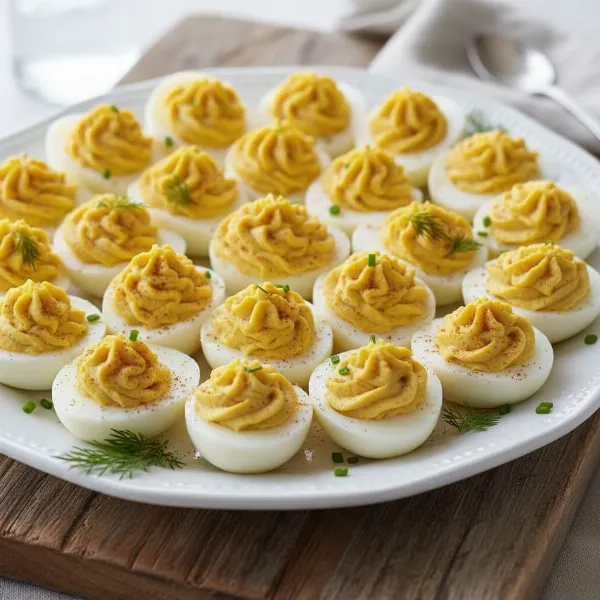 Elegantly piped deviled eggs garnished with paprika, showcasing quick and professional assembly.
Troubleshooting and Tips for Deviled Egg Perfection
Even with the efficiency of electric cookers, a few tips can ensure your deviled eggs are flawless.
- Avoiding the Green Ring: The greenish-gray ring around the yolk is caused by a reaction between sulfur in the egg white and iron in the yolk when eggs are overcooked. Using an electric cooker with precise timing and, most importantly, immediately transferring eggs to an ice bath after cooking, almost eliminates this issue.
- When Eggs Still Stick: While rare with electric cookers, if you encounter a stubborn egg, ensure it’s thoroughly chilled. Gently cracking the egg all over and then submerging it in the ice bath for an additional 5 minutes often allows water to penetrate under the shell, making it easier to peel.
- Storing Deviled Eggs: For optimal freshness and to prevent the filling from becoming watery, it’s best to store the peeled egg white halves and the yolk filling separately in airtight containers in the refrigerator. Assemble them just before serving. Freshly made deviled eggs are best consumed within 2-4 days. Freezing is not recommended as it changes the texture of the filling.
- Egg Freshness: While electric cookers make even fresh eggs easier to peel, eggs that are about a week old tend to peel the easiest. This is because the pH of the egg white increases over time, making it less adherent to the shell membrane.
Choosing the Right Electric Cooker for Your Kitchen
Deciding between a dedicated electric egg cooker and an electric pressure cooker depends on your cooking habits and needs.
- Capacity: How many eggs do you typically need to hard-boil? If it’s just a few for daily breakfasts, a smaller dedicated egg cooker might suffice. For large batches of deviled eggs for parties or meal prepping, a 12-egg capacity egg cooker or an Instant Pot is ideal.
- Multi-Functionality: If you already own an Instant Pot or are considering purchasing one for various cooking tasks (stews, rice, yogurt, etc.), its egg-cooking prowess makes it a versatile choice. If you primarily want a simple, compact appliance specifically for eggs, a dedicated electric egg cooker is a perfect fit.
- Budget: Dedicated egg cookers are generally more affordable than multi-functional pressure cookers.
- Reputable Brands: Look for well-regarded brands like Dash, Cuisinart, and Instant Pot, known for their reliability and performance in electric cooking appliances.
Conclusion
Preparing deviled eggs no longer needs to be a daunting task. By embracing the efficiency and precision of electric cookers, you unlock a world of culinary convenience. Whether you opt for a dedicated egg cooker to steam eggs to perfection or leverage the pressure-cooking power of an Instant Pot for effortlessly peelable results, these appliances transform the most challenging part of the recipe into a seamless process. Enjoy consistently perfect hard-boiled eggs, quicker assembly, and more time to savor your delicious creations. So, go ahead, gather your ingredients, fire up your electric cooker, and impress your guests (or yourself!) with a batch of deviled eggs that are as fast to make as they are delightful to eat.
What unique deviled egg fillings or garnishes will you experiment with next?
Frequently Asked Questions
What type of eggs are best for deviled eggs?
Large or extra-large eggs are generally preferred for deviled eggs as they provide a good surface for halving and hold a generous amount of filling. While electric cookers make all eggs easier to peel, eggs that are about a week old often peel more readily than very fresh eggs.
Can I use fresh eggs in an electric cooker for deviled eggs?
Yes, absolutely! One of the major advantages of electric egg cookers and pressure cookers is their ability to make even very fresh eggs significantly easier to peel compared to traditional stovetop methods. The steaming process helps separate the membrane from the egg white, reducing shell stickiness.
How long do deviled eggs last in the refrigerator?
Deviled eggs are best consumed within 2 to 4 days when stored properly in an airtight container in the refrigerator. For the freshest taste and best texture, it is recommended to store the hard-boiled egg whites and the prepared yolk filling separately, assembling them just before serving.
What are some popular variations for deviled egg filling?
Beyond the classic mayonnaise and mustard base, popular variations include adding sweet or dill relish, a dash of hot sauce or sriracha for spice, finely chopped fresh herbs like chives or dill, or a sprinkle of curry powder. For garnishes, crispy bacon bits, smoked salmon, capers, or a touch of everything bagel seasoning can elevate the flavor.
Is an electric egg cooker really faster than boiling on the stove?
While the active cooking time might be similar, an electric egg cooker or pressure cooker significantly speeds up the overall process of making deviled eggs by eliminating the need to monitor a pot on the stove and, crucially, by producing eggs that are remarkably easy to peel. This hands-off convenience and reduced preparation time make it a faster and less frustrating experience.