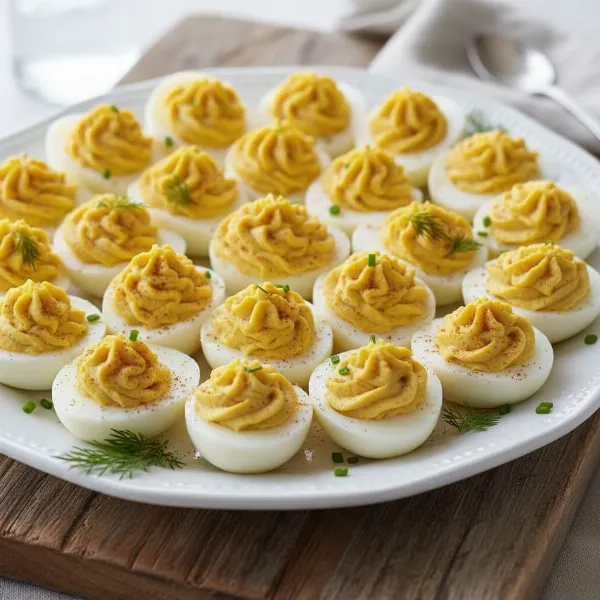
Are you ready to elevate your culinary game and craft a classic British snack with a clever twist? Scottish eggs, with their perfectly cooked egg enveloped in seasoned sausage meat and a crispy breadcrumb coating, are a true delight. While traditionally the eggs are boiled, mastering the art of steaming your eggs for this recipe can revolutionize your results, leading to effortlessly peeled eggs and a yolk consistency that’s exactly to your liking. As someone who has spent over a decade perfecting egg-cooking techniques, I’m here to guide you through the steamer method, ensuring your homemade Scottish eggs are nothing short of spectacular.
What Are Scottish Eggs, and Why Steam Them?
Scottish eggs are a quintessential British delicacy, featuring a hard or soft-boiled egg wrapped in a layer of seasoned sausage meat, coated in breadcrumbs, and then deep-fried or baked until golden and crispy. They’re a versatile treat, perfect for picnics, pub fare, or a hearty snack.
The traditional method involves boiling the eggs, but steaming offers distinct advantages, especially when aiming for perfection. Primarily, steaming makes eggs incredibly easy to peel, a game-changer when you need smooth, unblemished eggs for wrapping. The gentle, consistent heat from steam also allows for more precise control over the yolk’s doneness, from a runny, jammy center to a perfectly firm one. This consistency is often harder to achieve with boiling, where temperature fluctuations can lead to uneven cooking or stubbornly sticky shells.
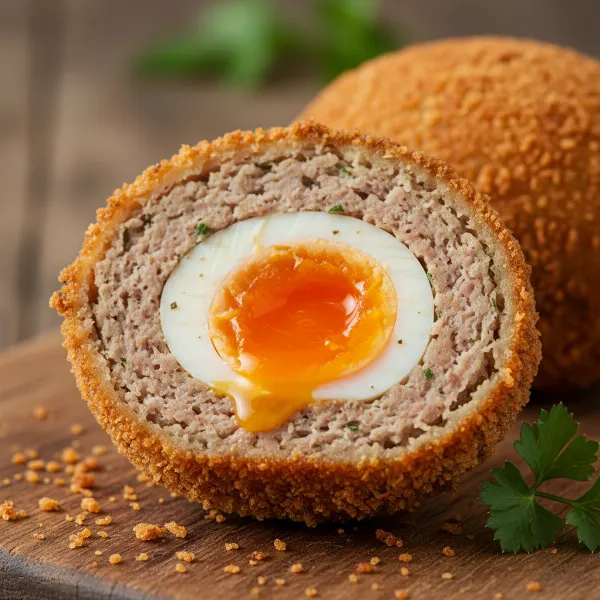 Cross-section of a Scottish egg showing a perfectly steamed, jammy yolk inside
Essential Ingredients and Equipment for Steamed Scottish Eggs
Creating the perfect steamed Scottish egg begins with selecting quality ingredients and having the right tools at hand.
Key Ingredients
- Eggs: Large fresh eggs are ideal. The steaming method works wonders even with very fresh eggs, which are notoriously difficult to peel when boiled.
- Sausage Meat: Approximately 1 pound (450g) of good quality sausage meat. You can use plain pork sausage and season it yourself, or choose a flavored variety like sage and onion for extra depth. If using sausages, simply remove the casings.
- All-Purpose Flour: For dredging the eggs, helping the sausage meat adhere.
- Egg Wash: 1-2 eggs, beaten with a splash of milk or water, to bind the breadcrumbs.
- Breadcrumbs: Panko breadcrumbs are highly recommended for their superior crispiness and lighter texture, but regular breadcrumbs will also work.
- Seasoning: Salt, black pepper, and any additional herbs or spices for the sausage meat (e.g., nutmeg, dried sage, mustard powder).
- Oil for Frying/Baking: Vegetable oil, canola oil, or another high smoke point oil for frying; or a light cooking spray for baking.
|
Our Picks for the Best Egg cooker in 2026
As an Amazon Associate I earn from qualifying purchases.
|
||
| Num | Product | Action |
|---|---|---|
| 1 | DASH Electric Rapid Egg Cooker for Hard Boiled/Poached/Scrambled Eggs or Omelets with Auto Shut-Off Feature, Black, 7 Egg Capacity |

|
| 2 | DASH Rapid Egg Cooker: 7 Egg Capacity Electric Egg Cooker for Hard Boiled Eggs, Poached Eggs, Scrambled Eggs, or Omelets. |
|
| 3 | Elite Gourmet EGC-007## Rapid Egg Cooker, 7 Easy-To-Peel, Hard, Medium, Soft Boiled Eggs, Poacher, Omelet Maker, Auto Shut-Off, Alarm, 16-Recipe Booklet, White |
|
| 4 | Rapid Egg Cooker, 12 Egg Capacity Electric Egg Cooker for Hard Boiled Eggs, Soft, Medium, Poached Eggs, Food & Vegetable Steamer for Breakfast, One-Touch Button, Over-Heat Protect, BPA-Free |
|
| 5 | Dash Rapid Egg Cooker - Boiler, Poacher & Steamer - Includes Measuring & Recipe Guide - Dishwasher Safe - Holds 7 Eggs, Aqua |
|
| 6 | Evoloop Rapid Egg Cooker Electric 6 Eggs Capacity, Soft, Medium, Hard Boiled, Poacher, Omelet Maker Egg Poacher With Auto Shut-Off, BPA Free |
|
| 7 | Elite Gourmet EGC115B Easy Egg Cooker Electric 7-Egg Capacity, Soft, Medium, Hard-Boiled Egg Cooker with Auto Shut-Off, Measuring Cup Included, BPA Free, Classic Black |
|
| 8 | Elite Gourmet EGC322CBL Easy Egg Cooker Electric 7-Egg Capacity, Soft, Medium, Hard-Boiled Egg Cooker with Auto Shut-Off, Measuring Cup Included, BPA Free, Classic Blue |
|
| 9 | Elite Gourmet EGC115M Easy Egg Cooker Electric 7-Egg Capacity, Soft, Medium, Hard-Boiled Egg Cooker with Auto Shut-Off, Measuring Cup Included, BPA Free, Retro Mint |
|
| 10 | Mojoco Rapid Egg Cooker - Mini Egg Cooker for Steamed, Hard Boiled, Soft Boiled Eggs and Onsen Tamago - Electric Egg Boiler for Home Kitchen, Dorm Use - Smart Egg Maker with Auto Shut OFF and Alarm |
|
Steaming Equipment
For perfectly steamed eggs, you have several options, from basic kitchen tools to specialized egg cookers:
- Steamer Basket and Saucepan: This is a common and effective setup. A metal or silicone steamer basket placed in a saucepan with about an inch of water, covered with a tight-fitting lid, works excellently.
- Electric Steamer: Dedicated electric steamers provide consistent steam and often have timers, making the process straightforward.
- Pressure Cooker or Instant Pot: Many modern multi-cookers come with a steam function and a trivet. This method is incredibly fast and produces exceptionally easy-to-peel eggs due to the high-pressure steam.
- Egg Cooker: As an egg cooker enthusiast, I can attest that specialized egg cookers often have a steaming function specifically designed for eggs, making them incredibly convenient and reliable for achieving perfect results every time, regardless of the desired doneness.
Step-by-Step: Crafting Perfect Steamed Scottish Eggs
Follow these steps to create Scottish eggs that will impress with their flavorful exterior and perfectly steamed interior.
Steaming the Eggs to Perfection
- Prepare your steamer: Add about 1 inch (2.5 cm) of water to your saucepan, electric steamer, or pressure cooker. If using a steamer basket, ensure the water level is below the bottom of the basket.
- Place the eggs: Carefully place your eggs in the steamer basket or on the trivet in a single layer if possible. Avoid overcrowding.
- Steam:
- For a regular steamer (saucepan or electric): Bring the water to a boil, then reduce heat to medium-high to maintain a steady stream. Cover tightly and steam for:
- 6 minutes for a runny, soft-boiled yolk.
- 8-10 minutes for a jammy, medium-boiled yolk.
- 12-15 minutes for a firm, hard-boiled yolk.
- For a pressure cooker/Instant Pot: Use the “Steam” function. For large eggs, set the time to 2 minutes on high pressure for a soft, runny yolk, or 4-5 minutes for a firmer, yet still moist, yolk. Allow for a quick release of pressure.
- For a regular steamer (saucepan or electric): Bring the water to a boil, then reduce heat to medium-high to maintain a steady stream. Cover tightly and steam for:
- Ice Bath: Immediately transfer the steamed eggs to an ice bath (a bowl of cold water with ice) for at least 5 minutes. This stops the cooking process and makes peeling incredibly easy.
- Peel: Gently tap and roll the cooled eggs on a hard surface to crack the shell, then peel under cool running water. The shells should slide off with minimal effort, thanks to the steaming method. Pat the peeled eggs dry with paper towels.
Preparing the Sausage Meat
- Season the meat: In a mixing bowl, combine the sausage meat with your chosen seasonings. A good starting point is salt, pepper, a pinch of dried sage, and a quarter teaspoon of ground nutmeg or mustard powder for a traditional flavor profile. Mix thoroughly with your hands until well combined.
- Portion: Divide the seasoned sausage meat into equal portions, typically 5-6 portions for large eggs.
- Wrap the egg: Lay a piece of plastic wrap on your work surface. Flatten one portion of sausage meat into a thin, even patty large enough to completely encase an egg. Place a peeled, dry egg in the center. Using the plastic wrap to assist, carefully mold the sausage meat around the egg, ensuring it’s completely sealed with no gaps. Gently roll the sausage-wrapped egg between your palms to smooth it into an even ball. Repeat for all eggs.
Breading for a Crispy Coat
- Set up dredging stations: Prepare three shallow bowls: one with all-purpose flour, one with the beaten egg wash, and one with the panko breadcrumbs.
- Coat the eggs: Take each sausage-wrapped egg and roll it first in the flour, tapping off any excess. Next, dip it into the egg wash, allowing any excess to drip off. Finally, roll it generously in the panko breadcrumbs, pressing gently to ensure a thick, even coating. A double coat of breadcrumbs can be applied for extra crispiness by repeating the egg wash and breadcrumb steps. Place the breaded eggs on a plate or baking sheet.
- Chill: For best results, chill the breaded Scottish eggs in the refrigerator for at least 30 minutes. This helps the coating set and prevents it from falling off during cooking.
The Final Cook: Frying vs. Baking
While the initial egg preparation uses steaming, the final cook for Scottish eggs is traditionally either deep-frying or baking to achieve that irresistible crispy exterior. Steaming the whole Scottish egg after breading is generally not recommended as it won’t produce the desired crisp texture.
- Deep-Frying (Traditional Method):
- Heat about 3-4 inches of oil in a heavy-bottomed pot or deep fryer to 325-350°F (160-175°C).
- Carefully lower 2-3 Scottish eggs into the hot oil, ensuring not to overcrowd the pot.
- Fry for 6-8 minutes, turning occasionally, until the sausage meat is cooked through and the breadcrumbs are golden brown and crispy.
- Remove with a slotted spoon and place on a wire rack over paper towels to drain excess oil.
- Baking (Healthier Alternative):
- Preheat your oven to 400°F (200°C).
- Lightly spray the breaded Scottish eggs with cooking oil.
- Place them on a wire rack set over a baking sheet.
- Bake for 20-25 minutes, or until the sausage meat is cooked through and the coating is golden and crisp. You may need to turn them halfway through for even browning.
 Freshly cooked homemade Scottish eggs arranged on a serving platter with dipping sauces
Mastering the Yolk: Achieving Your Desired Consistency with Steaming
The beauty of steaming eggs for Scottish eggs lies in the precise control you gain over the yolk. Here’s a quick guide to achieving your preferred consistency:
| Yolk Consistency | Steaming Time (Regular Steamer) | Steaming Time (Pressure Cooker) | Appearance |
|---|---|---|---|
| Runny | 6 minutes | 2 minutes | Liquid gold, perfect for dipping. |
| Jammy | 8-10 minutes | 3-4 minutes | Soft, semi-liquid, and vibrant. |
| Firm | 12-15 minutes | 4-5 minutes | Fully set but still moist, not dry or chalky. |
Remember that these times are for large eggs. Adjust by a minute or two for smaller or larger eggs. Always use an ice bath immediately after steaming to halt the cooking and ensure easy peeling.
Pro Tips for Flawless Steamed Scottish Eggs
Achieving Scottish egg perfection involves a few insider tricks that I’ve gathered over years of working with various egg cookers and techniques.
- Don’t Overcrowd the Steamer: Give your eggs space. Overcrowding can lead to uneven steaming and potentially longer cooking times.
- Use Quality Sausage Meat: The flavor of your Scottish egg largely depends on the sausage. Invest in good quality meat, or take the time to season plain ground pork thoroughly.
- Ensure a Tight Seal: When wrapping the sausage meat around the egg, make sure there are no cracks or gaps. This prevents the egg from bursting out during cooking and ensures a beautiful, even exterior.
- Chill Before Frying/Baking: Chilling the breaded eggs for at least 30 minutes helps the coating adhere firmly to the sausage, preventing it from shedding during the final cook.
- Test Your Oil Temperature: If deep-frying, use a thermometer to ensure your oil is at the correct temperature (325-350°F or 160-175°C). Too cold, and the eggs will be greasy; too hot, and the outside will burn before the sausage cooks through.
- Serve Promptly: Scottish eggs are best enjoyed warm, shortly after cooking, to savor their crispy coating and perfectly cooked interior. They can be served with a side of chutney, mustard, or a simple green salad.
Where to Find Quality Ingredients and Tools for Your Steamed Scottish Eggs
Sourcing good ingredients and reliable equipment is key to any successful recipe.
For your ingredients, most local supermarkets will carry large eggs, all-purpose flour, and breadcrumbs. For high-quality sausage meat, consider visiting a local butcher. They often have freshly ground pork sausage or can recommend specific varieties that would work well for Scottish eggs.
When it comes to steaming equipment, if you don’t already own a steamer basket, you can find them readily available at most kitchen supply stores or online retailers. If you’re looking to upgrade, a dedicated electric egg cooker or a multi-functional pressure cooker with a steam setting is an excellent investment. These appliances simplify the egg steaming process, offering consistent results and often freeing up stovetop space for other cooking tasks. Look for models with accurate temperature control and clear timing guides, as consistency is paramount for achieving your desired yolk.
Conclusion
Making Scottish eggs using the steaming method for the initial egg preparation is a game-changer, offering unparalleled ease of peeling and precision in yolk consistency. By following these detailed steps, from perfectly steaming your eggs to skillfully breading and cooking your Scottish eggs, you’re well on your way to creating a truly impressive and delicious dish. Whether you prefer a gloriously runny yolk or a firm, satisfying bite, the steaming technique gives you the control you need to customize this classic to your preference. So, grab your steamer, gather your ingredients, and get ready to enjoy the ultimate homemade Scottish egg.
Have you tried steaming your eggs for Scottish eggs before, and what was your favorite yolk consistency?
Frequently Asked Questions About Steamed Scottish Eggs
Can I use an air fryer for the final cook of Scottish eggs?
Absolutely! An air fryer is a fantastic option for achieving a crispy exterior without deep-frying. Preheat your air fryer to 375°F (190°C), lightly spray the breaded Scottish eggs with oil, and cook for 15-20 minutes, flipping halfway, until golden brown and the sausage meat is cooked through.
What kind of sausage meat is best for Scottish eggs?
A good quality plain pork sausage meat is a versatile choice, allowing you to customize the seasoning. However, you can also experiment with flavored sausage meats like Cumberland, sage and onion, or even a spicy Italian sausage for a unique twist.
Can I make Scottish eggs ahead of time?
Yes, you can prepare the breaded Scottish eggs up to a day in advance and store them, uncooked, in the refrigerator. For best results, bring them closer to room temperature before frying or baking. Cooked Scottish eggs can also be refrigerated and enjoyed cold, or gently reheated in the oven or air fryer.
Why are my steamed eggs sometimes hard to peel?
While steaming significantly reduces peeling difficulty, factors like extremely fresh eggs or not using an immediate ice bath can still cause issues. Ensure your eggs go straight into an ice bath for at least 5 minutes after steaming, and for ultra-fresh eggs, add a minute or two to the steaming time to slightly alter the membrane adhesion.