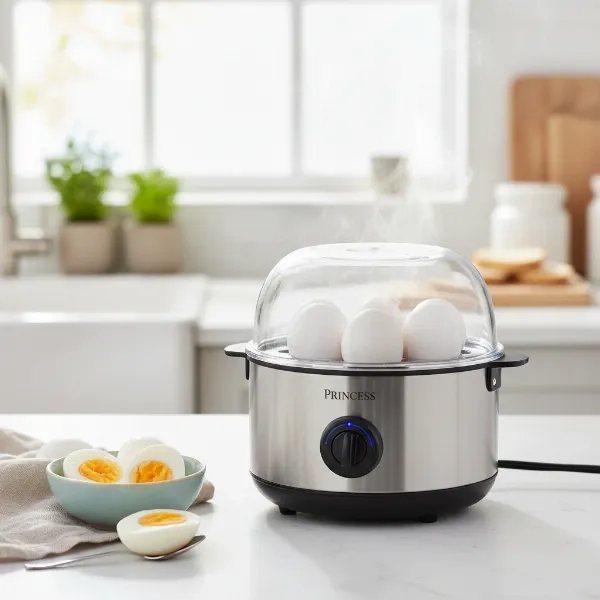
There’s a universal kitchen frustration many home cooks share: the moment you pull your perfectly timed boiled eggs from the pot, only to find several shells marred by unsightly cracks. This common occurrence not only diminishes the aesthetic appeal of your eggs but can also lead to runaway whites and an overall less enjoyable experience. Whether you’re aiming for a pristine hard-boiled egg for a salad or a delicate soft-boiled one for breakfast, cracked shells can derail your culinary efforts. This comprehensive guide will delve into the science behind why eggs crack during cooking and equip you with foolproof strategies to ensure consistently flawless results, transforming your egg-boiling routine from a gamble to a guaranteed success.
The Mystery of the Cracked Shell: Understanding Why Eggs Break During Cooking
Eggs cracking while cooking is a prevalent issue, often attributed to several key factors that interact to compromise the shell’s integrity. Understanding these underlying causes is the first step toward preventing them. The most common culprit is thermal shock, which occurs when cold eggs are suddenly introduced to hot or boiling water. This abrupt temperature change causes the shell to expand rapidly, while the interior of the egg, particularly the air pocket, expands at a different rate, creating immense stress that the delicate shell cannot withstand.
Another significant factor is the expanding air pocket located at the wider end of the egg. As the egg heats up, the air within this pocket expands. If this pressure has no means of escape, it builds up and can force a rupture in the weakest point of the shell. Furthermore, physical impact plays a role; eggs jostling against each other or the sides of the pot during a vigorous boil can easily lead to cracks. Finally, the inherent shell integrity varies from egg to egg. Some simply have thinner or weaker shells, making them more prone to cracking, while others may possess invisible hairline cracks developed during transport or storage. Overcooking or boiling eggs too vigorously can also contribute to increased internal pressure and mechanical stress, escalating the risk of cracking.
Decoding the Science: Temperature, Pressure, and Egg Anatomy
To truly prevent cracked eggs, it’s essential to grasp the fundamental scientific principles at play during the cooking process.
The Role of Temperature Differentials
|
Our Picks for the Best Egg cooker in 2026
As an Amazon Associate I earn from qualifying purchases.
|
||
| Num | Product | Action |
|---|---|---|
| 1 | Elite Gourmet EGC115B Easy Egg Cooker Electric 7-Egg Capacity, Soft, Medium, Hard-Boiled Egg Cooker with Auto Shut-Off, Measuring Cup Included, BPA Free, Classic Black |

|
| 2 | DASH Electric Rapid Egg Cooker for Hard Boiled/Poached/Scrambled Eggs or Omelets with Auto Shut-Off Feature, Black, 7 Egg Capacity |
|
| 3 | Elite Gourmet EGC322CBL Easy Egg Cooker Electric 7-Egg Capacity, Soft, Medium, Hard-Boiled Egg Cooker with Auto Shut-Off, Measuring Cup Included, BPA Free, Classic Blue |
|
| 4 | DASH Rapid Egg Cooker: 7 Egg Capacity Electric Egg Cooker for Hard Boiled Eggs, Poached Eggs, Scrambled Eggs, or Omelets. |
|
| 5 | Mojoco Rapid Egg Cooker - Mini Egg Cooker for Steamed, Hard Boiled, Soft Boiled Eggs and Onsen Tamago - Electric Egg Boiler for Home Kitchen, Dorm Use - Smart Egg Maker with Auto Shut OFF and Alarm |
|
| 6 | Elite Gourmet EGC-007## Rapid Egg Cooker, 7 Easy-To-Peel, Hard, Medium, Soft Boiled Eggs, Poacher, Omelet Maker, Auto Shut-Off, Alarm, 16-Recipe Booklet, White |
|
| 7 | Elite Gourmet EGC115M Easy Egg Cooker Electric 7-Egg Capacity, Soft, Medium, Hard-Boiled Egg Cooker with Auto Shut-Off, Measuring Cup Included, BPA Free, Retro Mint |
|
| 8 | Rapid Egg Cooker, 12 Egg Capacity Electric Egg Cooker for Hard Boiled Eggs, Soft, Medium, Poached Eggs, Food & Vegetable Steamer for Breakfast, One-Touch Button, Over-Heat Protect, BPA-Free |
|
| 9 | Dash Rapid Egg Cooker - Boiler, Poacher & Steamer - Includes Measuring & Recipe Guide - Dishwasher Safe - Holds 7 Eggs, Aqua |
|
| 10 | Evoloop Rapid Egg Cooker Electric 6 Eggs Capacity, Soft, Medium, Hard Boiled, Poacher, Omelet Maker Egg Poacher With Auto Shut-Off, BPA Free |
|
The primary reason eggs crack is thermal shock, a phenomenon where rapid changes in temperature cause materials to expand or contract at different rates. An eggshell is porous and relatively fragile. When a cold egg from the refrigerator is plunged into vigorously boiling water, the exterior of the shell heats up and expands very quickly. Simultaneously, the cooler interior of the egg, particularly the albumen and yolk, expands at a slower pace. This differential expansion creates internal stress within the shell, leading to fractures. This effect is similar to how a cold glass might crack if hot liquid is poured into it too quickly.
The Expanding Air Cell
Every egg contains a small air cell, usually located at the wider, blunt end, between the outer and inner shell membranes. This air cell forms as the freshly laid egg cools and its contents contract. When an egg is heated, the air inside this pocket warms up and expands. If the pressure from this expanding air cannot be released, it exerts force on the inside of the shell. Eventually, this internal pressure can become too great for the shell to contain, especially if there’s a pre-existing weak spot, resulting in a crack. This is a common cause, explaining why many cracks originate from the broader end of the egg.
Shell Strength and Vibrations
Eggshell thickness and strength are not uniform. Factors such as hen’s age, diet, and breed can influence shell quality. Some eggs naturally possess thinner or more brittle shells, making them inherently more vulnerable to cracking under stress. Beyond internal pressures, external forces also contribute significantly. When water is boiling vigorously, eggs can bounce and collide with each pot and each other. These physical impacts, even if seemingly minor, can create hairline fractures or exacerbate existing weaknesses, leading to visible cracks as the cooking progresses.
Expert Strategies for Flawless Eggs: Preventing Cracks in Any Cooker
Achieving perfectly cooked, crack-free eggs is an attainable goal with the right techniques. Here are expert strategies to help you get consistent results.
Optimizing Egg Temperature Before Cooking
One of the most effective ways to combat thermal shock is to bring your eggs to room temperature before cooking. This minimizes the drastic temperature difference between the egg and the cooking water. You can do this by:
- Leaving them on the counter: Allow refrigerated eggs to sit on your countertop for 10-15 minutes prior to cooking.
- Warm water bath: For a quicker method, place cold eggs in a bowl of warm tap water for a few minutes. This gentle pre-warming helps the shell and internal contents adjust more gradually to the heat, reducing stress.
The Gentle Start: Water Temperature and Immersion
How you introduce eggs to water significantly impacts cracking.
- Starting with cold water: Many culinary experts recommend placing eggs in a pot of cold tap water, then slowly bringing the water and eggs to a boil together. This gradual heating allows the egg’s internal and external temperatures to rise in unison, preventing sudden thermal shock.
- Gentle immersion: Regardless of whether you start with cold or hot water, always use a slotted spoon to gently lower eggs into the pot. Avoid dropping them, as even a small impact can cause tiny, invisible cracks that expand during cooking.
Taming the Boil: Simmering for Success
Once the water reaches a boil, it’s crucial to reduce the heat to a gentle simmer. A rapid, rolling boil can cause eggs to jostle and bump, leading to physical damage. A gentle simmer provides consistent heat for cooking without the aggressive agitation. Some methods suggest bringing the water to a full boil, then immediately turning off the heat, covering the pot, and allowing the residual heat to cook the eggs.
Another excellent alternative that virtually eliminates physical impact is steaming eggs. Steaming uses hot vapor to cook eggs gently, preventing them from bouncing around in boiling water. Many egg cookers utilize this method effectively. Steamed eggs often peel more easily and consistently come out crack-free.
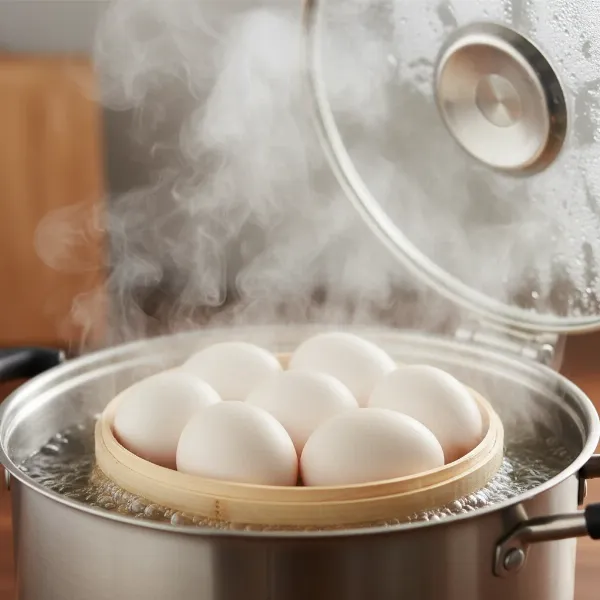 Steaming eggs in a pot to prevent cracks and achieve even cooking
The Pin Prick Solution: Releasing Internal Pressure
To counter the expanding air cell, a simple yet highly effective technique is to pierce the large end of the eggshell.
- How to do it: Use an egg pricker, a thumbtack, or a clean sewing needle to make a tiny hole in the wider, blunt end of the egg where the air sac is located.
- Why it works: This small perforation allows the expanding air to escape safely as the egg heats, preventing pressure buildup that can otherwise cause the shell to crack. This method is particularly useful if you prefer to drop eggs into already boiling water for precise timing.
Culinary Additions: Salt and Vinegar
Adding certain ingredients to your cooking water can also provide an extra layer of protection.
- Salt: A teaspoon or two of salt added to the water is widely believed to help prevent cracking. Some sources also suggest it makes peeling easier.
- Vinegar: Adding a tablespoon of white vinegar to the cooking water serves a different, but equally helpful, purpose. If an egg does crack, the acidity of the vinegar causes the egg white to coagulate much faster, essentially “sealing” the crack and preventing the albumen from leaking out into the water. This ensures that even if a crack occurs, your egg remains mostly intact.
Beyond the Basics: Advanced Tips and Egg Cooker Considerations
For those consistently struggling with cracked eggs, or looking to refine their technique, these advanced tips offer further solutions, including how specialized kitchen tools can help.
Choosing the Right Pot and Quantity
The vessel you use and how many eggs you cook at once can significantly impact the outcome.
- Avoid overcrowding: Ensure you use a pot large enough to accommodate all your eggs in a single layer, without them being tightly packed. Overcrowding increases the likelihood of eggs bumping into each other and the sides of the pot, especially during boiling.
- Use a steamer basket: If you frequently boil eggs, investing in a steamer basket can be a game-changer. Placing eggs in a steamer basket elevates them above the boiling water, protecting them from direct impact with the pot bottom and allowing them to cook gently via steam. This method often results in fewer cracks and easier-to-peel eggs.
Understanding Egg Age and Quality
The age and initial condition of your eggs can influence their tendency to crack.
- Egg age: While older eggs are often said to peel more easily, very old eggs might have weaker shells. Fresh eggs, on the other hand, have a smaller air cell and a tighter membrane, which can sometimes contribute to cracking if not properly managed, but they are not inherently more prone to cracking due to shell integrity alone.
- Inspect for hairline cracks: Before cooking, quickly inspect each egg for any visible hairline cracks. Even microscopic fissures can expand dramatically when heated, leading to larger cracks. Setting aside any visibly damaged eggs for other culinary uses is a simple preventative measure.
Maximizing Your Egg Cooker’s Potential
For consistent, crack-free results, especially if you’re an administrator of a site like eggcookersreview.com, an egg cooker can be an invaluable tool.
- Precision and control: Dedicated egg cookers are designed to precisely control temperature and often utilize a steaming method. This eliminates the guesswork of stovetop boiling and drastically reduces the chances of thermal shock and physical agitation.
- Built-in features: Many modern egg cookers come with features like an integrated egg pricker, ensuring the air cell is vented automatically. They also often provide measuring cups to ensure the correct amount of water for steaming, creating an optimal environment for crack-free cooking. By relying on steam rather than vigorous boiling, egg cookers minimize the forces that typically cause shells to crack, making them a highly reliable option for perfect eggs every time.
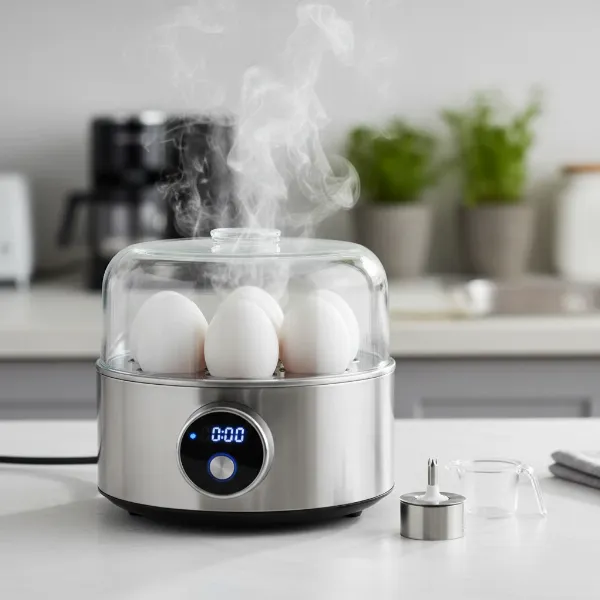 An automatic egg cooker ensuring crack-free, perfectly cooked eggs every time
Your Go-To Guide for Crack-Free Eggs
To summarize the most effective path to crack-free eggs:
- Bring eggs to room temperature: Let them sit out for 10-15 minutes or immerse in warm tap water for a few minutes.
- Start with cold water: Place eggs in a single layer in a pot and cover with cold water.
- Add a pinch of salt and a splash of vinegar: This helps prevent cracking and seals any minor fissures.
- Pierce the blunt end: Gently make a tiny hole in the wider end of each egg using an egg pricker or thumbtack to release air pressure.
- Heat gently: Bring the water to a boil slowly, then immediately reduce to a gentle simmer. Alternatively, once boiling, turn off the heat and cover the pot.
- Avoid overcrowding: Ensure eggs have enough space to prevent bumping. Use a steamer basket for best results if boiling multiple eggs.
- Cool promptly: Once cooked to your desired doneness, transfer eggs to an ice bath to stop the cooking process and aid in peeling.
Conclusion
The occasional cracked egg can be a minor annoyance, but understanding the underlying causes—primarily thermal shock, expanding air, and physical agitation—empowers you to take control. By implementing simple yet effective strategies like bringing eggs to room temperature, starting them in cold water, or using a specialized egg cooker, you can dramatically reduce the likelihood of cracks. Adding salt or vinegar and even piercing the shell are small steps that yield significant improvements. With these techniques, you’ll consistently achieve beautifully cooked eggs with intact shells, making your next breakfast or recipe preparation a truly satisfying experience. What’s your favorite crack-prevention tip that has transformed your egg cooking?
Frequently Asked Questions
Why do fresh eggs sometimes crack more often than older eggs when boiled?
Fresh eggs often have a smaller air cell and a tighter membrane that clings more firmly to the shell. This tighter adhesion can make them more susceptible to cracking due to internal pressure build-up and makes them harder to peel. As eggs age, the air cell expands, and the membrane loosens, which can sometimes reduce cracking from pressure, but very old eggs might have weaker shells.
Is it safe to eat eggs that cracked during boiling?
Yes, it is generally safe to eat eggs that cracked during boiling. The hot water cooks the egg white that seeps out, making it safe to consume. However, cracked eggs should ideally be eaten within a day or two and stored in the refrigerator, as their compromised shell offers less protection against bacterial contamination compared to intact eggs.
Does adding salt to water truly prevent eggs from cracking?
While not a definitive solution, many chefs and home cooks find that adding salt to the cooking water helps minimize cracking. It is believed that salt can strengthen the water’s surface tension, reducing jostling, and can also aid in the coagulation of egg white if a crack does occur, preventing excessive leakage.
Can an egg cooker prevent cracking entirely?
An egg cooker significantly reduces the chances of eggs cracking. Most egg cookers use a steaming method, which eliminates the vigorous agitation of boiling water that causes eggs to bump and crack. Additionally, many models include an integrated pricking tool to vent the air cell, addressing another primary cause of cracking. While no method is 100% foolproof, egg cookers offer one of the most reliable ways to achieve crack-free results consistently.
How does piercing an egg help prevent cracks during boiling?
Piercing the blunt end of an egg creates a tiny vent hole in the shell. As the egg heats up, the air trapped in the air cell at that end expands. This vent allows the expanding air to escape safely, preventing the build-up of internal pressure that would otherwise push against the shell and cause it to crack.