Hard-boiled eggs are a marvel of convenience, offering a quick, protein-packed snack or a versatile ingredient for countless dishes. Yet, their simplicity in preparation often belies a crucial challenge: how to store them correctly to keep them fresh, safe, and delicious for as long as possible. If you’ve ever reached for a hard-boiled egg only to find it dry, smelly, or questionable, you know the frustration. This guide will walk you through expert-backed methods for storing hard-boiled eggs, whether they’re still in their shells or perfectly peeled, ensuring they maintain their texture and flavor for days.
The Science of Freshness: Why Proper Storage Matters for Hard-Boiled Eggs
Once an egg is hard-boiled, its natural protective coating, known as the bloom, is removed during the cooking process. This makes the egg more susceptible to absorbing odors from the refrigerator and, more importantly, to bacterial growth. Cooked foods, including hard-boiled eggs, should not be left at room temperature for more than two hours, as bacteria can multiply rapidly in what’s known as the “danger zone” (temperatures between 40°F and 140°F or 4°C and 60°C). Proper and prompt refrigeration is therefore paramount to halting bacterial growth and preserving both safety and quality.
Cooling Your Eggs: The Crucial First Step
The journey to perfectly stored hard-boiled eggs begins the moment they finish cooking. Immediately after boiling, it’s crucial to transfer your eggs to an ice bath—a bowl filled with ice and cold water. This rapid cooling serves a dual purpose: it instantly stops the cooking process, preventing the dreaded green ring around the yolk that can result from overcooking, and it quickly brings down the egg’s internal temperature, which is vital for food safety. Once the eggs are completely cool, typically after 10-15 minutes, gently remove them and thoroughly dry each one with a paper towel. Excess moisture can encourage bacterial growth and affect the egg’s texture during storage.
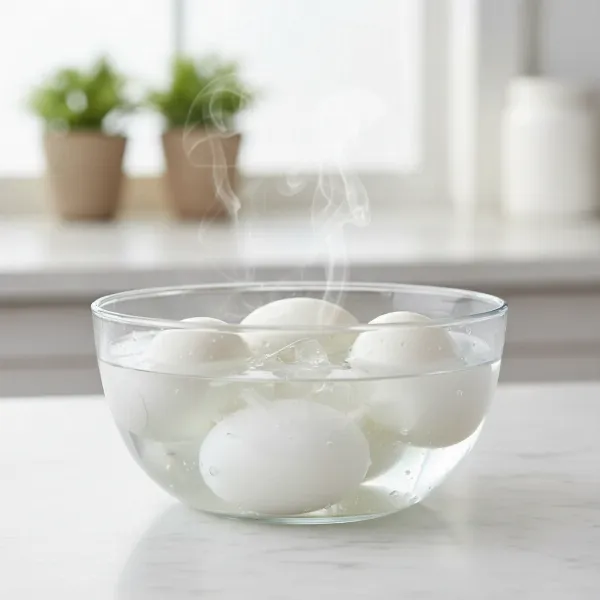 Freshly hard-boiled eggs cooling in an ice bath to stop cooking and reduce internal temperature.
Unpeeled vs. Peeled: Tailoring Your Storage Method
The best way to store hard-boiled eggs depends on whether you’ve peeled them or left them in their shells. Each method has its own benefits and considerations for maintaining optimal freshness.
Unpeeled Hard-Boiled Eggs: The Shell’s Protection
Leaving hard-boiled eggs in their shells offers the best protection for extended freshness. The shell acts as a natural, albeit no longer perfectly sealed, barrier, helping to prevent the eggs from absorbing strong odors from other foods in your refrigerator and offering some defense against bacteria.
To store unpeeled hard-boiled eggs:
- Ensure they are completely cool and dry.
- Place them in an airtight container or a resealable plastic bag. This further protects them from odors and maintains a consistent environment.
- Store them on a middle shelf in your refrigerator, where temperatures are typically most consistent. Avoid the refrigerator door, which experiences frequent temperature fluctuations.
|
Our Picks for the Best Egg cooker in 2026
As an Amazon Associate I earn from qualifying purchases.
|
||
| Num | Product | Action |
|---|---|---|
| 1 | Elite Gourmet EGC115B Easy Egg Cooker Electric 7-Egg Capacity, Soft, Medium, Hard-Boiled Egg Cooker with Auto Shut-Off, Measuring Cup Included, BPA Free, Classic Black |

|
| 2 | Elite Gourmet EGC322CBL Easy Egg Cooker Electric 7-Egg Capacity, Soft, Medium, Hard-Boiled Egg Cooker with Auto Shut-Off, Measuring Cup Included, BPA Free, Classic Blue |
|
| 3 | Rapid Egg Cooker, 12 Egg Capacity Electric Egg Cooker for Hard Boiled Eggs, Soft, Medium, Poached Eggs, Food & Vegetable Steamer for Breakfast, One-Touch Button, Over-Heat Protect, BPA-Free |
|
| 4 | DASH Electric Rapid Egg Cooker for Hard Boiled/Poached/Scrambled Eggs or Omelets with Auto Shut-Off Feature, Black, 7 Egg Capacity |
|
| 5 | Mojoco Rapid Egg Cooker - Mini Egg Cooker for Steamed, Hard Boiled, Soft Boiled Eggs and Onsen Tamago - Electric Egg Boiler for Home Kitchen, Dorm Use - Smart Egg Maker with Auto Shut OFF and Alarm |
|
| 6 | DASH Rapid Egg Cooker: 7 Egg Capacity Electric Egg Cooker for Hard Boiled Eggs, Poached Eggs, Scrambled Eggs, or Omelets. |
|
| 7 | Evoloop Rapid Egg Cooker Electric 6 Eggs Capacity, Soft, Medium, Hard Boiled, Poacher, Omelet Maker Egg Poacher With Auto Shut-Off, BPA Free |
|
| 8 | Elite Gourmet EGC-007## Rapid Egg Cooker, 7 Easy-To-Peel, Hard, Medium, Soft Boiled Eggs, Poacher, Omelet Maker, Auto Shut-Off, Alarm, 16-Recipe Booklet, White |
|
| 9 | Dash Rapid Egg Cooker - Boiler, Poacher & Steamer - Includes Measuring & Recipe Guide - Dishwasher Safe - Holds 7 Eggs, Aqua |
|
| 10 | Elite Gourmet EGC115M Easy Egg Cooker Electric 7-Egg Capacity, Soft, Medium, Hard-Boiled Egg Cooker with Auto Shut-Off, Measuring Cup Included, BPA Free, Retro Mint |
|
Unpeeled hard-boiled eggs stored this way can remain fresh for up to seven days in the refrigerator.
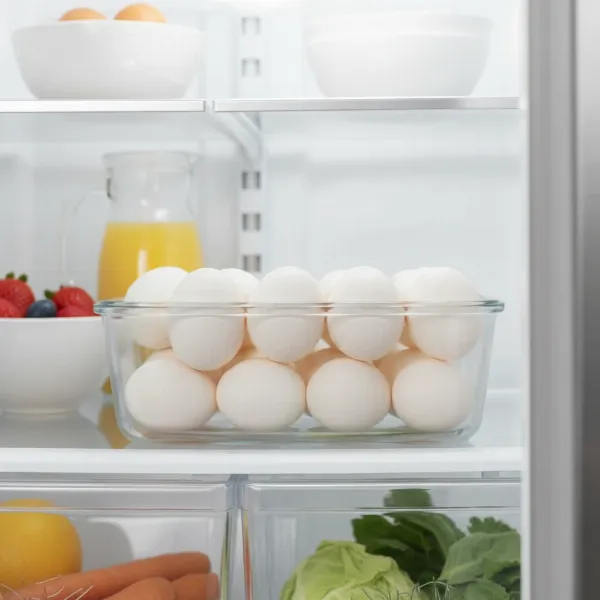 Unpeeled hard-boiled eggs neatly arranged inside a clear airtight container in a refrigerator.
Peeled Hard-Boiled Eggs: Keeping Them Moist and Fresh
While peeling eggs immediately after cooking can be a time-saver for meal prep, it removes their natural protective layer, making them more vulnerable to drying out and absorbing fridge odors. However, with a few extra steps, you can still keep them fresh.
To store peeled hard-boiled eggs:
- After cooling and peeling, pat the eggs completely dry.
- Method 1: Airtight Container with a Damp Paper Towel. Line an airtight container with a slightly damp paper towel, place the peeled eggs on top, and then cover them with another damp paper towel. Seal the lid tightly. The damp paper towel helps maintain moisture and prevents the eggs from drying out.
- Method 2: Covered in Cold Water. Alternatively, you can store peeled hard-boiled eggs submerged in cold water in an airtight container. Be sure to change the water daily to keep them fresh and prevent any sliminess.
Peeled hard-boiled eggs generally last for 3-5 days in the refrigerator when stored using these methods. While some sources suggest up to seven days, their quality, particularly texture, may diminish faster once peeled.
How Long Do Hard-Boiled Eggs Really Last?
Understanding the shelf life of hard-boiled eggs is key to safe consumption. Here’s a quick overview:
| Storage Method | Duration | Key Tips |
|---|---|---|
| Unpeeled in Refrigerator | Up to 7 days | Store in an airtight container on a middle shelf. |
| Peeled in Refrigerator (damp paper towel) | 3-5 days | Airtight container, ensure paper towel remains slightly damp. |
| Peeled in Refrigerator (submerged in water) | 3-5 days | Airtight container, change cold water daily. |
| At Room Temperature | Max 2 hours | Discard if left out longer than two hours to prevent bacterial growth. |
The U.S. Department of Agriculture (USDA) advises that hard-cooked eggs, whether peeled or unpeeled, are safe to eat for up to seven days when stored properly in the refrigerator. However, for peeled eggs, individual experience may find quality diminishes slightly after 3-5 days.
Recognizing Spoilage: When to Discard Your Eggs
Even with the best storage practices, it’s important to know the signs that a hard-boiled egg has gone bad. Trust your senses:
- Smell: The most reliable indicator. A rotten hard-boiled egg will emit a strong, sulfurous, or “gassy” odor. This smell is distinctly unpleasant and different from the mild, natural sulfur scent sometimes present in fresh eggs.
- Appearance: Discoloration such as gray or green spots, or any visible mold, is a clear sign of spoilage.
- Texture: If the egg white becomes slimy, chalky, or overly rubbery, it’s best to discard it.
It’s important to note that a greenish-gray ring around the yolk is generally not a sign of spoilage. This is a harmless chemical reaction between sulfur in the egg white and iron in the yolk, often caused by overcooking or high iron content in the cooking water.
Advanced Tips for Extending Freshness
Beyond the basic storage methods, a few extra habits can help ensure your hard-boiled eggs stay in prime condition:
- Label and Date: If you boil a batch of eggs, consider marking them with “HB” (Hard-Boiled) and the date you cooked them. This helps you keep track of their freshness, especially if you also have raw eggs in the fridge.
- Avoid the Fridge Door: As mentioned, the door of your refrigerator is the warmest and most temperature-unstable area. For consistent coolness, always place hard-boiled eggs on an interior shelf.
- Freezing Hard-Boiled Eggs: Freezing whole hard-boiled eggs is generally not recommended. The egg whites tend to become rubbery and unappetizing after thawing due to the protein structure changing. However, if you wish to save only the yolks for recipes, they can be frozen successfully in an airtight container for later use.
Conclusion
Hard-boiled eggs are an incredible asset to any healthy kitchen, offering unparalleled convenience and nutrition. By mastering the art of proper storage—starting with swift cooling, choosing the right container, and maintaining consistent refrigeration—you can confidently enjoy your eggs for up to a week. Whether you prefer them in their protective shells or pre-peeled for immediate gratification, these simple practices ensure every bite is as fresh and satisfying as the first. So go ahead, boil a batch, and revolutionize your meal prep game.
What’s your favorite way to enjoy perfectly stored hard-boiled eggs?
Frequently Asked Questions
Can you freeze hard-boiled eggs?
Freezing whole hard-boiled eggs is generally not recommended because the whites tend to become tough and rubbery once thawed, significantly affecting their texture and palatability. However, you can successfully freeze cooked egg yolks separately in an airtight container for future use in dishes.
Is a green ring around the yolk safe to eat?
Yes, a green or grayish ring around the yolk of a hard-boiled egg is perfectly safe to eat. This discoloration is a common and harmless chemical reaction that occurs when sulfur from the egg white reacts with iron in the yolk, often due to overcooking or when there’s a high iron content in the cooking water.
How can I make my hard-boiled eggs easier to peel?
While not a storage tip, making eggs easier to peel is a common desire. Tips include using eggs that are a few days old (not super fresh), immediately transferring eggs to an ice bath after cooking, or using a steaming method rather than boiling. These techniques can help prevent the membrane from sticking to the shell.